Building a home is one of the most exciting milestones in life. Unlike purchasing an existing property, building your own home allows you to create a space tailored to your lifestyle, preferences, and long-term goals. While the process of building a house can seem overwhelming at first, understanding each phase helps homeowners make informed decisions and feel confident throughout the journey.
Whether you're planning a custom residence or researching the steps to building a house, knowing what to expect from start to finish can help ensure a smoother experience. From planning and design to construction and final inspections, every stage of the home building process plays an important role in creating a home that will serve your family for years to come.
Understanding the Home Building Process
A successful home build doesn't happen overnight. The home construction process involves a series of carefully coordinated phases that transform an idea into a completed residence. While timelines vary based on design complexity, permitting requirements, and site conditions, most projects follow a similar sequence.
Understanding the house construction steps before breaking ground allows homeowners to prepare for important decisions and avoid unnecessary delays. Whether you're building a custom home or exploring how to build your own home, having a clear roadmap can make the experience more enjoyable and rewarding..
Home Building Process Overview
|
Stage |
What Happens |
|
Planning |
Defining goals, budget, and priorities |
|
Homesite Selection |
Evaluating location, utilities, and lot conditions |
|
Design |
Creating floor plans and selecting features |
|
Permits & Approvals |
Securing required approvals before construction |
|
Site Preparation |
Clearing, grading, and preparing the property |
|
Foundation Construction |
Pouring and curing the foundation |
|
Framing & Structural Work |
Building walls, floors, and roof systems |
|
Roofing & Exterior Work |
Installing roofing, windows, and exterior protection |
|
Plumbing, Electrical & HVAC |
Installing essential home systems |
|
Interior Finishes |
Completing flooring, cabinetry, paint, and fixtures |
|
Final Inspections |
Performing quality checks and walkthroughs |
|
Move-In & Homeownership |
Preparing for occupancy and maintenance |
Understanding these phases before construction begins helps homeowners make informed decisions and feel more confident throughout the journey.
Custom Home vs. Production Home: What's the Difference?
Homebuyers often choose between building a custom home or purchasing a production home from a large-scale builder. While both options provide a new home, the level of personalization differs significantly.
|
Custom Home |
Production Home |
|
Personalized floor plans |
Limited design options |
|
Greater flexibility |
Pre-selected layouts |
|
Unique features and finishes |
Standardized selections |
|
Built around homeowner's needs |
Built for broad market appeal |
|
Higher customization potential |
Faster construction timeline |
For homeowners seeking a home designed for their lifestyle, preferences, and long-term goals, custom home construction offers greater control over the final result.
Step 1: Planning Your Dream Home
Every successful project begins with careful planning. One of the most important steps to building a house is defining your goals, budget, and priorities before construction begins.
Think about the number of bedrooms and bathrooms you need, whether a home office is essential, how much storage space you'll require, and what type of outdoor living areas you'd like to enjoy. The more clarity you have during the planning phase, the smoother the building process will be.
Key considerations include:
-
Home size and layout
-
Lifestyle requirements
-
Future family needs
-
Desired features and upgrades
-
Construction budget and contingency funds
Proper planning for a new home helps establish a realistic budget and minimizes costly changes later in the custom home building process. Selecting an experienced builder early can set the foundation for a successful project. Selecting an experienced builder early can set the foundation for a successful project.
Step 2: Choosing the Right Homesite
Selecting the right homesite is a critical decision that can influence the design, construction costs, and long-term value of your home. Factors such as lot size, location, utility access, drainage, topography, and future development plans should all be carefully evaluated before moving forward.
Choosing the right property early in the process helps prevent unexpected challenges and provides a strong foundation for a successful build.
Step 3: Designing Your Home
Once your vision is clear, the design phase begins. This stage is where ideas become detailed floor plans and architectural concepts.
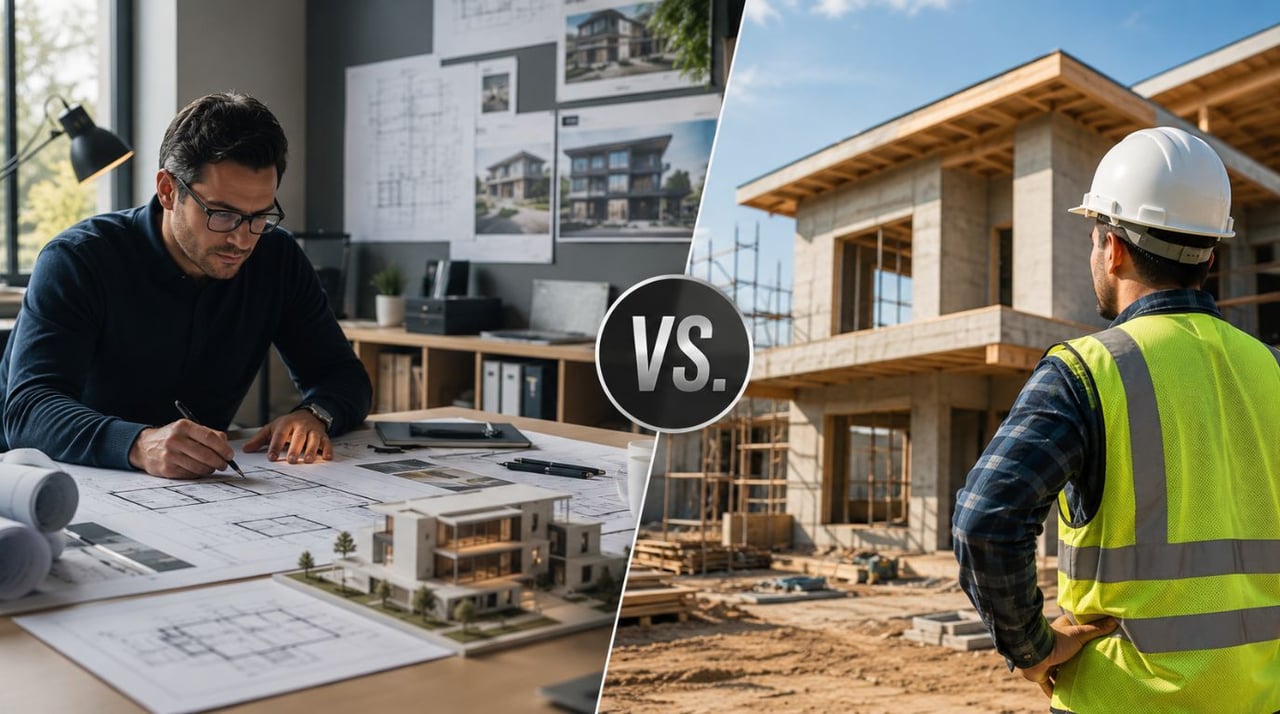
Building a custom home allows homeowners to personalize layouts, finishes, and design features that reflect their unique needs. During the design phase, homeowners often work with both architects and builders to bring their vision to life. Understanding the difference between architects and builders can help homeowners make more informed decisions during the design process
Some of the most important design decisions include:
-
Floor plan configuration
-
Kitchen and bathroom layouts
-
Window placement
-
Ceiling heights
-
Storage solutions
-
Outdoor living spaces
For homeowners wondering how to build a custom home, the design stage creates the foundation for everything that follows.
Step 4: Permits and Approvals
Before construction can begin, building plans must be reviewed and approved by local authorities. This process helps ensure compliance with building codes, zoning regulations, and safety requirements.
Depending on the location, this phase may include permit applications, site reviews, environmental assessments, and other approvals required before breaking ground.
Step 5: Preparing the Homesite
Before construction can begin, the property must be prepared. Site preparation is a critical part of the new home construction process because it ensures the land can properly support the structure.
This phase typically involves clearing vegetation, grading the property, and preparing utility connections. Depending on the lot conditions, additional work may be required to improve drainage or address soil-related concerns.
Site preparation may include:
-
Land clearing
-
Excavation work
-
Grading and leveling
-
Utility planning
-
Soil evaluation
A properly prepared homesite contributes to a smoother house building process and helps prevent future structural concerns.
Step 6: Foundation Construction
The foundation serves as the base of the entire home. It provides stability, support, and long-term structural integrity.
After excavation is completed, foundation forms are installed and concrete is poured according to engineering specifications. Once cured, waterproofing and drainage systems are typically added to help protect against moisture intrusion.
Although it may not be the most visible phase of home construction, a strong foundation is one of the most important investments in the overall quality of the home.
Step 7: Framing and Structural Construction
Many homeowners consider framing to be the most exciting phase because the home's shape becomes visible for the first time.
During framing, crews construct the walls, floors, roof structure, and major structural components. As the framework is assembled, you can begin walking through rooms and visualizing how the finished home will look and feel.
Key elements installed during framing include:
-
Exterior walls
-
Interior walls
-
Floor systems
-
Roof trusses
-
Door openings
-
Window openings
As the framework is assembled, homeowners can begin visualizing how their future home will look and function. Once framing is complete, inspections are conducted before construction continues.
Step 8: Roofing, Windows, and Exterior Protection
After the structure is framed, crews begin enclosing the home by installing roofing materials, windows, doors, and exterior weather barriers.
This phase is often referred to as "drying in" the home because it protects the interior from rain and weather exposure. Creating a weather-resistant structure allows interior work to move forward efficiently.
At this point, homeowners can start seeing the architectural style of the home come together as exterior finishes begin to take shape.
Step 9: Plumbing, Electrical, and HVAC Installation
With the structure protected from the elements, attention turns to the systems that make the home comfortable and functional.
Plumbers, electricians, and HVAC professionals install the infrastructure that will eventually operate behind the walls. Although much of this work becomes hidden after drywall installation, these systems play a critical role in daily living.
This stage typically includes:
-
Water supply lines
-
Drainage systems
-
Electrical wiring
-
Outlet and switch placement
-
Heating and cooling equipment
-
Ventilation systems
These systems are a critical component of the home building timeline and must pass inspections before the project can move forward.
Step 10: Interior Finishes and Personalization
This is the stage where the home truly begins to feel complete. Drywall is installed, walls are painted, flooring is laid, and cabinetry starts transforming empty rooms into functional living spaces.
For many homeowners, this is the most enjoyable part of the journey because personal style and design preferences become visible throughout the home.
Popular finish selections often include:
-
Kitchen cabinetry
-
Countertops
-
Flooring materials
-
Lighting fixtures
-
Bathroom finishes
-
Interior trim and doors
The choices made during this phase significantly influence the home's final appearance and overall value.
Step 11: Final Inspections and Quality Assurance
Before the home is ready for occupancy, a series of final inspections and quality checks takes place. These inspections help ensure that all systems function correctly and that construction meets required standards.
Builders carefully review every aspect of the home, from electrical systems and plumbing fixtures to paint finishes and hardware installation. During this stage, homeowners typically participate in a final walkthrough to identify any remaining items that require attention before move-in day.
Step 12: Move-In Day and Beyond
After months of planning and construction, the process of building a house reaches its final stage.
Before moving in, homeowners should review warranty information, maintenance recommendations, and operating instructions for major systems. Understanding how to properly maintain a new home helps protect the investment and ensures long-term performance.
Move-in day marks the beginning of a new chapter and the reward for successfully navigating the home building process.
Home Building Timeline
While every project is unique, most custom homes follow a similar construction schedule. Understanding the typical timeline helps homeowners set realistic expectations and prepare for each stage of the journey.
|
Construction Stage |
Estimated Time |
|
Planning & Design |
1–3 Months |
|
Permits & Approvals |
2–8 Weeks |
|
Site Preparation |
1–3 Weeks |
|
Foundation Construction |
2–4 Weeks |
|
Framing & Structural Work |
1–2 Months |
|
Roofing & Exterior Work |
2–4 Weeks |
|
Plumbing, Electrical & HVAC |
2–6 Weeks |
|
Interior Finishes |
1–3 Months |
|
Final Inspections & Walkthrough |
1–2 Weeks |
Keep in mind that weather conditions, permit approvals, material availability, and design changes can influence the overall timeline.
How Much Does It Cost to Build a Custom Home?
The cost of building a home varies significantly depending on location, home size, design complexity, material selections, and site conditions. Custom homes generally offer greater flexibility and personalization, but costs can increase based on the features and finishes chosen during the design process.
Some of the primary factors that affect construction costs include:
-
Square footage of the home
-
Quality of materials and finishes
-
Lot preparation requirements
-
Foundation type
-
Custom design features
-
Energy-efficient upgrades
-
Local labor and permitting costs
While construction costs vary widely by location, home size, and design complexity, custom homes typically require a larger investment than production homes because of the personalized layouts, upgraded finishes, and unique design features involved.
Factors That Can Affect the Home Building Timeline
Even with careful planning, certain circumstances can impact the construction schedule. Understanding these factors helps homeowners prepare for potential delays and make informed decisions throughout the project.
Common factors that may affect construction timelines include:
-
Weather-related interruptions
-
Permit approval delays
-
Material shortages
-
Design changes during construction
-
Labor availability
-
Site accessibility challenges
-
Utility connection delays
Working with an experienced custom home builder can help minimize disruptions and keep the project moving forward as efficiently as possible.
Builder's Insight: After more than 25 years of building custom homes, we've found that homeowners who finalize major design selections early often experience fewer delays, reduced change orders, and a smoother overall construction process. Clear communication and realistic expectations can make a significant difference throughout the project.
Common Mistakes to Avoid During the Home Building Process
Even with careful planning, certain mistakes can create unnecessary stress, delays, or expenses. Understanding these challenges ahead of time can help homeowners make informed decisions throughout the project.
Some of the most common mistakes include:
-
Making major design changes after construction begins
-
Underestimating the overall budget
-
Prioritizing price over quality
-
Skipping important inspections
-
Failing to plan for future needs
-
Choosing materials based solely on appearance
Working with an experienced custom home builder can help reduce these risks and keep the project on schedule.
Why Homeowners Choose Dave Isaacs Homes
With 25+ years of experience, Dave Isaacs Homes has helped homeowners bring their vision to life through exceptional craftsmanship, personalized service, and clear communication. Whether you're looking for a Custom Home Builder, planning a New Home Construction project, or investing in a Whole Home Remodeling renovation, our team is committed to delivering quality results tailored to your lifestyle and goals.
From concept to completion, we focus on creating beautiful, functional homes that provide lasting value and a seamless building experience.
Frequently Asked Questions
What is the most important step in the home building process?
Proper planning and budgeting are often considered the most important parts of the home building process. Establishing clear goals early can help reduce delays, unexpected costs, and design changes later on.
How long does the home building process take?
Most custom homes take between six and twelve months to complete, depending on design complexity, weather conditions, permitting requirements, and material availability.
What is involved in the process of building a house?
The process includes planning, designing, preparing the site, constructing the foundation, framing the structure, installing systems, completing finishes, and conducting final inspections.
Can I make changes during construction?
Changes are often possible, but they can increase costs and extend the home-building timeline. Finalizing decisions early helps keep the project on track.
Why should I work with a custom home builder?
An experienced custom home builder provides guidance, quality craftsmanship, project management, and communication throughout every stage of the custom home construction process.
What should I look for when choosing a custom home builder?
Look for a builder with a strong reputation, proven experience, transparent communication, quality craftsmanship, and a portfolio that aligns with your vision. A good builder should also be willing to guide you through each stage of the process and answer questions along the way.
Final Thoughts
Building a home is a journey that combines careful planning, thoughtful design, and quality craftsmanship. While the home building process may seem complex at first, understanding each stage, from planning and site preparation to construction and final inspections, can help homeowners feel more confident and prepared along the way.
Every step plays an important role in creating a home that reflects your lifestyle, needs, and long-term goals. By working with an experienced custom home builder and maintaining clear expectations throughout the process, you can enjoy a smoother building experience and a home designed for lasting comfort, functionality, and value.